An interview with fashion educator Massimo Casagrande
As fashion evolves beyond garments into culture, technology and storytelling, guidance from industry leaders has never been more critical. Massimo Casagrande, fashion educator, mentor, creative consultant, and Director of Education at Istituto Marangoni Paris, shares practical insights on building identity, embracing sustainability, and preparing for the future of fashion.
How should young designers balance cultural identity, storytelling, and global market demands when building their brand or portfolio?
Identity should be a source of clarity, not constraint. I always encourage young designers to begin with an honest understanding of where their visual language comes from: their heritage, their rituals, their personal references. But identity becomes powerful only when it is translated into a narrative that a global audience can understand.

Massimo Casagrande, fashion educator, mentor, creative consultant.
| Photo Credit:
Special Arrangement
The balance comes from intention. Use your culture as an anchor, not a costume. Select elements that carry meaning, and articulate why they matter. At the same time, understand the market you want to enter: its needs, its rhythms, its sensitivities. When designers learn to position their stories within a broader cultural conversation, their work becomes both locally rooted and globally relevant.
What are the skills that today’s students must develop to survive and grow in a competitive and rapidly changing fashion industry?
Curiosity and adaptability are essential. The industry changes faster than any curriculum, so students must cultivate the ability to learn, unlearn, and relearn. Technical skill is important, but mindset is decisive. Designers today need strategic thinking, the confidence to experiment, and the resilience to navigate uncertainty. They must understand materials, digital tools, cultural research, and communication. But, equally, they need emotional intelligence, the ability to collaborate, interpret feedback, and articulate ideas.
Sustainability is no longer optional so how can students incorporate responsible design or ethical practices without compromising creativity or commercial appeal?
Responsible design should never be seen as a restriction. When approached thoughtfully, it becomes a source of innovation. I encourage students to begin with questions: What materials am I choosing and why? What value does this garment add to someone’s life? How does it honour craft, labour, and longevity? Sustainability isn’t only about materials, it’s about intention, process, and impact. Students can experiment with modularity, upcycling, digital sampling, and slow design principles without losing aesthetic expression. When responsibility is integrated from the start, creativity expands because it becomes purposeful rather than decorative.
What should design institutes do to prepare students for careers in AI, digital fashion, and cross-disciplinary collaboration?
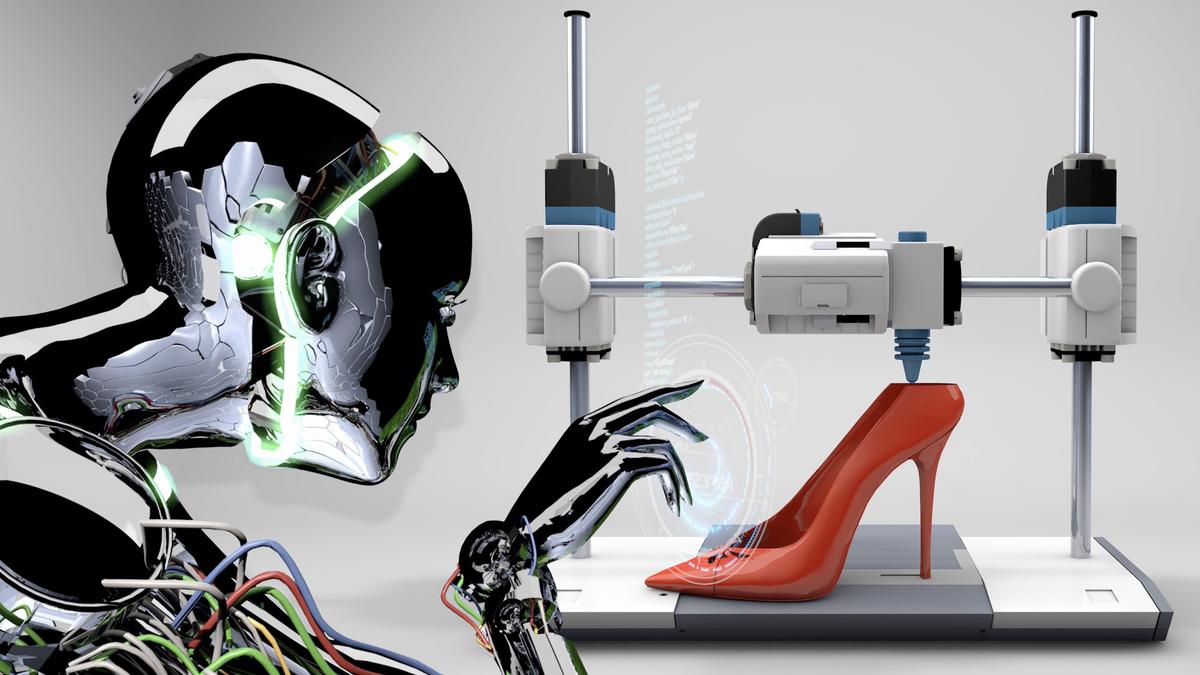
Digital platforms, AI, and virtual environments will continue to evolve, so the goal is to give students a conceptual framework that allows them to navigate change confidently. We must create environments where designers learn to collaborate with technologists, coders, artisans, writers, and strategists. Fashion now sits at the intersection of culture, technology and communication, so students must become fluent in multiple languages: visual, digital and narrative. The future belongs to creative thinkers who can move seamlessly between physical and digital worlds without losing authorship.
What are the opportunitiesfor young designers and craftspeople on global platforms?
India has something the global industry desperately needs: depth. There is a richness of craft, material intelligence and cultural memory that cannot be replicated. Young Indian designers who work with craft respectfully — not as embellishment but as a design philosophy — have a remarkable opportunity to shape new luxury narratives.
To stand out, they must combine craft with contemporary design thinking. The world is not looking for nostalgic pastiche; it is looking for innovation grounded in authenticity. When Indian designers articulate the story behind the craft and pair it with modern silhouettes, responsible practices and a clear aesthetic point of view, they become incredibly compelling on the international stage.
What distinguishes successful designers from those who struggle after graduation?
The most successful designers are consistent. They show up with curiosity, discipline and a willingness to evolve. They are open to critique, yet confident in their vision. They understand that creativity is a practice, not a moment of inspiration.
Those who struggle often rely solely on talent. Talent is a starting point, but perseverance and professionalism are what sustain a career. Successful designers know how to build relationships, manage time, communicate ideas and adapt without losing their identity.
Any advice for students in India who wish to pursue fashion education abroad.
Look for a school that expands your perspective, not one that simply confirms it. What truly shapes your career is mentorship, diversity of ideas, and real exposure to industry. Choose a programme that gives you space to experiment, access to new technologies, and a community that challenges you to think critically. Studying abroad should broaden your cultural lens and help you grow as a designer, not just change the address of your classroom.
Published – January 17, 2026 12:00 pm IST
link