What Beauty Professionals Need to Know Today
Discover the most recent and relevant industry news and insights for beauty professionals, to help you excel in your job interviews, promotion conversations or simply to perform better in the workplace by increasing your market awareness and emulating market leaders.
BoF Careers distils business intelligence from across the breadth of our content — editorial briefings, newsletters, case studies, podcasts and events, exclusive interviews and conversations — to deliver key takeaways and learnings in your job function.
Explore global job opportunities in beauty on BoF Careers today, from a social media manager at Lanolips or as a senior beauty art director at Bloomingdale’s in New York, to a beauty ambassador at Chalhoub Group in Dubai.
Key articles and need-to-know insights for marketing professionals today:
1. Beauty’s Olympics Marketing Playbook
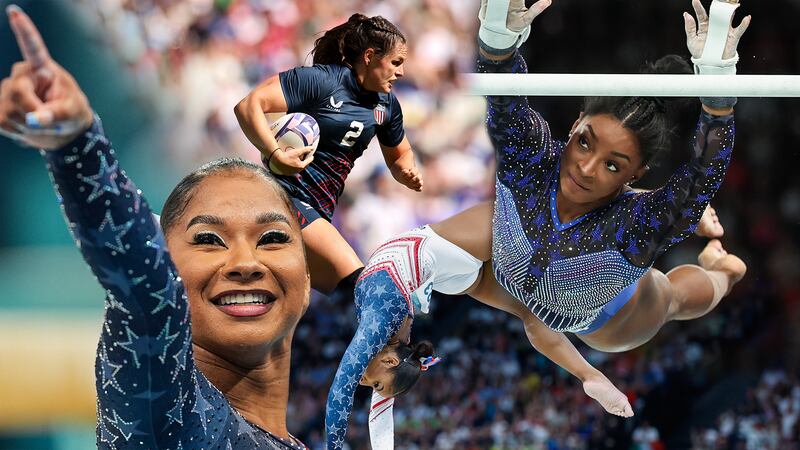
This year has seen an influx of fashion brands advertising around the Paris games, and beauty brands want a piece of the action, too. LVMH-owned retailer Sephora is the official sponsor of the torch relays and Rihanna’s Fenty Beauty is also an official partner. French skincare label Caudalie found a path to virality with an Instagram video that showed a drop of the brand’s Vinoperfect Serum falling into the river, causing it to turn from a murky brown to a sky-blue hue.
A confluence of factors have made these Games more appealing to beauty brands: Over 5,000 female athletes will be participating in this year’s games; 2024 marks the first time the Olympics reached gender parity since the organisation’s founding in 1896. That means there are more potential partners for beauty brands, who by and large cater to female consumers. Plus, there’s more interest in women’s sports at large, with the category projected to generate over $1.28 billion dollars in revenue in 2024, a 300 percent increase from 2021.
2. Troye Sivan’s Beauty Brand Steps Off the Beaten Path
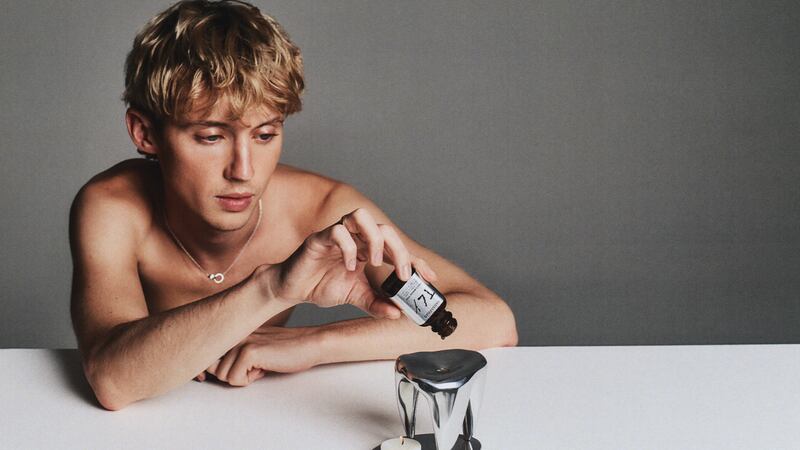
Last year, Troye Sivan launched his fragrance brand, Tsu Lange Yor, a Yiddish toast that means “to long years”, alongside his brother Steele Mellet. The label currently offers four scents in perfumes and candles, as well as a few home objects. It taps into the $70 billion global fragrance sector that’s projected to swell to $100 billion in 2027, according to BoF’s 2023 State of Fashion: Beauty report.
Consumers today are not merely susceptible to marketing; they’re educated on the ingredients and overall quality of products. To stand out among competitors, Tsu Lange Yor will dive headfirst into wholesale, and has inked partnerships with retailers in Australia, Europe and North America in the last few months. It also has plans to further penetrate key markets through pop-up events. So far, the brand has held activations in New York and Melbourne, Australia.
3. The Soho House of Nail Salons

Majesty’s Pleasure describes itself as “New York’s first social beauty club.” What looks like a dining room is actually 50 manicure-pedicure stations, served by a grand cocktail bar. The space, which occupies the second floor of a building just off Park Avenue South, is Majesty’s third location. And they’re in good company, as the neighbourhood has become something of a destination for beauty hot spots.
But as its name suggests, Majesty’s Pleasure wants to be a bit more decadent than its competitors. For one: It’s a social club, not strictly a member’s one, meaning that anyone can come in and pay for its services. About a quarter of clients opt to join the “Leisure Club”, a tiered subscription that grants them between one to unlimited manicures and pedicures per month. Despite the competition in the area, Majesty’s Pleasure believes it has created an entirely new hospitality business model. The initial reaction indicates they could be right.
4. The Wellness Brand Betting on ‘Female Viagra’
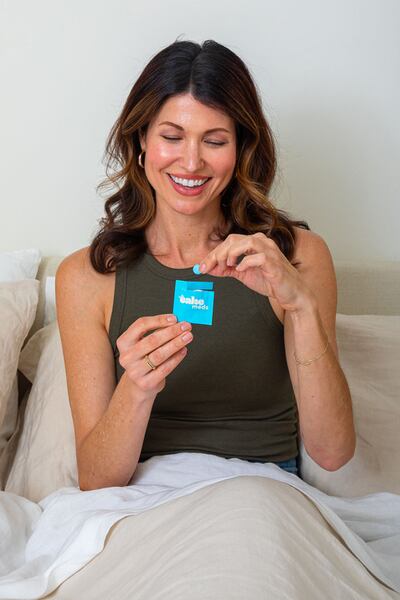
Hello Cake, a four-year-old startup that sells condoms and lube, […] announced [recently] a new line of prescription medication that includes a tablet and a topical cream formulated to increase blood flow for vaginal sensitivity. The cream, dubbed O-Cream, contains Sildenafil, the same active ingredient found in Viagra. These new products, which aim to address a low sex drive and enhance sexual arousal among women, come at the heels of the brand’s push into pharmaceuticals last year when it released prescription medication for erectile dysfunction.
Hello Cake joins a growing roster of disruptive healthcare startups including women’s tele-health company Wisp, sexual health brand Maude, and supplements maker Olly to offer sexual dysfunction medication for women. The US wellness market has an estimated value of $480 billion and is expected to expand between 5 to 10 percent annually, according to McKinsey & Co. Women’s health is at the forefront of driving that growth, and sexual health products were the second most-purchased product in 2023 after menstrual care, according to a McKinsey survey conducted last August.
5. How Clarins Is Reformulating Its Hero Product (And Its Business)

In Southern France, generations of Provençals have found uses for the region’s bamboo-like “great reeds”. The reeds have been made into fences and fishing poles, pan-flutes and tinctures for treating gout — and now skincare, as French brand Clarins prepares to roll out the ninth version of its flagship Double Serum line. The company claims the great reed activates genes that resist environmental damage to skin, and sought to prove this by carrying out a study on 30 sets of identical twins demonstrating that those who adopted the serum displayed reduced lifestyle impact to skin ageing.
Clarins hopes to boost sales of the Double Serum line by as much as 40 percent in the second half of the year as it rolls out the new formula, associated advertising campaign and study results to its global distribution network (including 135 directly-operated stores) from August. “It’s a big, big launch,” chief executive Jonathan Zrihen said. Meanwhile, promotions on TikTok have helped the brand reach a new generation of customers, with the hashtag #doubleserum garnering 146 million views, according to social listeninh firm Spate.
6. How New Laws on Textured Hair Education Will Shake Up Beauty

Despite the fact that people with textured hair make up an estimated 65 percent of the world’s population, according to beauty research firm Pivot Point, the US hair services industry is highly segregated, with licensed professionals typically trained on only straight hair types. The industry has a long history of discrediting Black hairstyles such as braids, locs and twists as unprofessional and unworthy of study. This means professionals and salons looking to fill this gap and service clients with textured hair, who are commonly people of colour, have to seek additional training. Many are unlicensed; these businesses are disproportionately Black-owned and serve as pillars for their communities.
But change is finally afoot. Last month, Connecticut became the fourth US state to mandate cosmetology and barber schools to include textured hair care in their curriculum, joining Louisiana, New York and Minnesota, which enacted similar laws in the past three years. The laws promise to radically change the beauty landscape, allowing textured hair consumers to enter into any hair salon and have access to qualified personnel. New required training also means when salons hire future licensed employees, they could create potential new revenue streams by acquiring a new set of diverse customers.
7. Summer Fridays Announces Growth Investment From TSG Consumer Partners
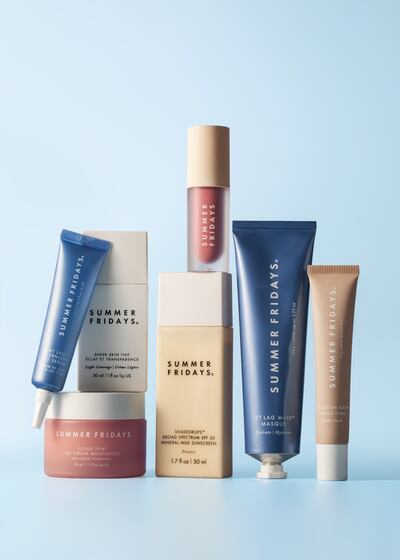
Summer Fridays announced last month a strategic growth investment from private equity firm TSG Consumer Partners. Previous investor Prelude Growth Partners will exit the business, while co-founders Marianna Hewitt and Lauren Ireland will retain a “significant” stake. In January, The Business of Beauty identified the brand as a top M&A target, having capped off a banner year in 2023 wherein an instant-hit shade extension to its Lip Butter Balm helped push retail sales to $150 million. This year, the brand’s forecast retail sales are expected to reach $200 million.
To achieve global scale, Summer Fridays is likely in good hands. TSG previously sold premium hair care line Pureology to L’Oréal in 2007, after increasing its sales fivefold and nearly doubling its profit margins. In 2010, it sold prestige cosmetics line Smashbox to Estée Lauder having tripled its revenue and improved its profit from breakeven to roughly 20 percent EBITDA in four years. “We have so much more we want to do with Summer Fridays,” said Hewitt, adding that her and Ireland would know “where [its] perfect home is” in the coming years.
8. Isamaya Ffrench on the Spirit of Collaboration
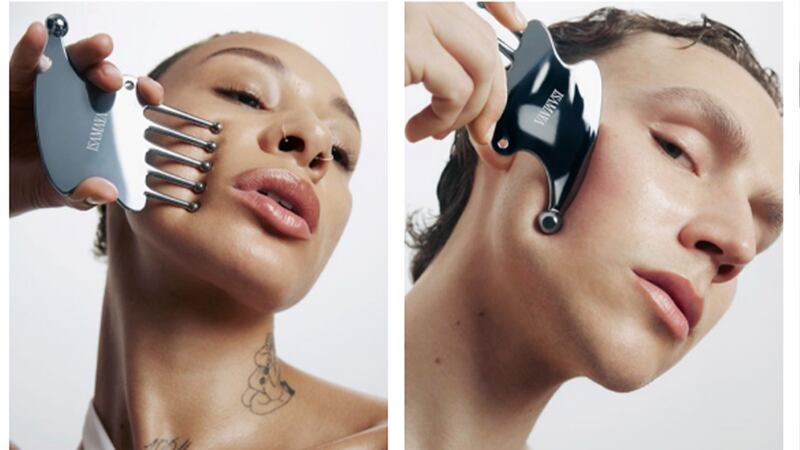
Beauty could learn a thing or two from fashion’s embrace of collaboration. The fashion industry has been collaboration obsessed since Karl Lagerfeld teamed up with H&M to release a special collection in 2004. But while fashion brands often team up with another, it’s far less common to see a makeup label collaborate with another existing brand to create innovation in the cosmetics sector. Maybe it’s because every makeup brand seems to be in competition with one another. (Not that a collaboration between competitors can’t work — Versace and Fendi’s 2022 team-up was much talked about in the industry.)
But I look at them the same way that I look at fashion brands: each has its own visual language, products and therefore demographic. Why would beauty brands not collaborate with one another? The beauty market isn’t one big group of people who all have the same needs, tastes, aspirations nor budget, so why would collaborations not bring those same benefits of expanding to a bigger customer range? Isn’t that something worth investigating?
 Opens in new window
link