Exploring the Fashion Design Program at Chandigarh University
%20(1).jpg "Exploring the Fashion Design Program at Chandigarh University")
Why Choose the Fashion Design Program at Chandigarh University
Fashion designing at Chandigarh University is not just taught; it’s imbibed into every stitch, every pattern, and every inch of the catwalk. The factors that set this program apart include a proper balance between the three interdependent areas of creative exploration, technical mastery, and preparation for professional life.
Also See: Chandigarh University Admissions
Here is why the uniqueness of the program stands out:
1. Industry-Aligned Curriculum
The B.Design in Fashion Design is a four-year (165 credits) program designed to train designers who can innovate with purpose. The curriculum blends creativity and commerce with an emphasis on sustainability. It is not only about learning design, but also about learning the market, trends, consumer psychology, and the future of fashion.
Students may major in Fashion Designing and pursue any of the minors offered in Jewellery Design, Accessory Design, Lifestyle Design, Fashion Styling, and Knitwear, allowing them to specialise according to their interests and career goals. Interdisciplinary minors in Interior Design, Fine Arts, and Product Design also allow them to explore other creative domains, as diversity of thought is key in today’s fashion ecosystem.
2. Expert Faculty and Creative Mentorship
Academicians, designers, and an industry-experienced faculty with insights into current trends serve as mentors to bridge concept-building in class to real-world challenges while challenging students to inquire, innovate, and create with empathy.
Guest lectures, workshops, and masterclasses by eminent names-Anuj Sharma (Button Masala), Prashik Khandare (Head of Design, Verozy), Shalini Sharma (Fashion Makeup Expert)-take students deep within the veins of creative processes that run through global design practice. This linkage of theory with practice ensures that every student evolves into more than just a designer but also a problem solver.
3. State-of-the-Art Labs and Design Studios
The right ambience becomes a breeding ground for creativity, and the very architecture of Chandigarh University is spiritedly conceived to inspire.
Students work in advanced Garment Construction Labs, Pattern-Making Labs, Dyeing & Printing Labs, all equipped with industry-standard machinery for dyeing, fabric testing, embroidery, and weaving. The CAD and computer labs have the latest software, such as:
-
Adobe Photoshop
-
CorelDRAW
-
Adobe Illustrator
-
CLO 3D
-
TUKA Tech
-
Fashion Illustrator
-
Canva
This ensures that students are conversant with digital design workflows employed by leading global brands, equipping them to become employable with both creative and technical tools.
4. Exposure Through Industry Linkages
Fashion education here goes well beyond classroom walls. Students gain hands-on experience through industrial visits, live projects, and collaborations with leading brands. The department has established strong linkages with several industries. For instance, the students will actively observe the operation of real-time garment production, textile processing and merchandising at Moments Clothing, Nahar Enterprises Ltd, and Keshav Spinning Mill. Regular field visits to great markets like Katran Bazaar, Seelampur, and Chandni Chowk immerse students in the diversely textured culture of textiles in India.
5. Global Exposure and International Opportunities
In fashion, inspiration knows no boundaries, nor do CU students.
Through international exchange programs with leading design schools, the University offers global exposure, allowing students to experience global fashion aesthetics, trends, and technologies.
International events such as Asia Fashion Week, Fashion Tour, and Runway Competitions are critical opportunities for CU’s budding designers to showcase their collections to a global audience. A few other students have even had the opportunity to walk for Lakmé Fashion Week, an increasingly visible manifestation of international recognition for Chandigarh University in the fashion circuit.
6. Hands-On Learning Through Workshops, Exhibitions, and Fashion Shows
Semesters at Chandigarh University will always be abuzz with creativity-draping, followed by a runway. Every semester, students engage in over ten professional workshops and seminars focusing on themes such as:
-
From Concept to Runway: The Journey of a Collection.
-
The Future of Sustainable Fashion.
-
Menswear Construction Workshop.
-
The Ethical Edit: Rethinking Fashion Design.
-
Portfolio Development for Fashion Careers.
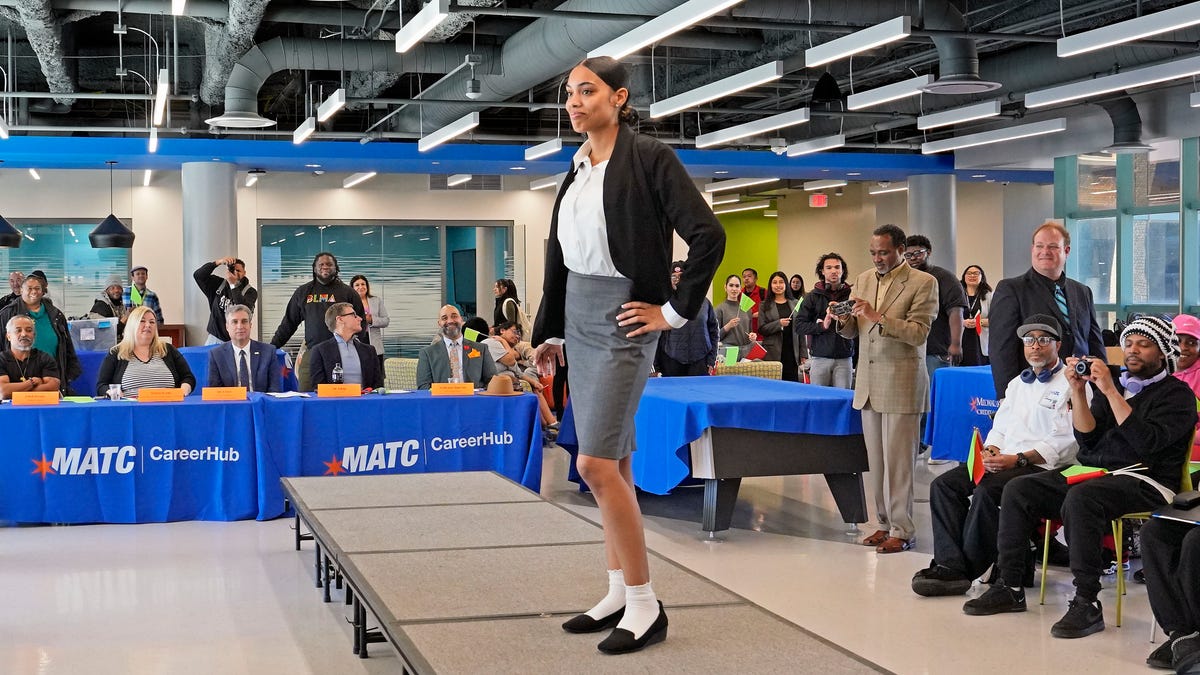
Annual events like Fashion Sutra, the university’s flagship fashion event, provide students with a platform to showcase their final collection to potential employers, industry experts, stylists, and brand representatives.
Such IDS experiences are not only instrumental in honing technical skills; they instill self-confidence and a sense of presence, an important trait each designer needs to take work.
7. Entrepreneurship and Start-Up Support
One side of fashion is creativity, and the other aspect is entrepreneurship. Supporting that understanding, Chandigarh University has taken further steps to nurture students who dream of starting their own labels or businesses. The Fashion Design Department not only prepares designers for jobs, but also trains them to create brands which carry their identity and purpose.
Many of the graduates from here have already stepped into the world of entrepreneurship under sound mentorship and incubation support.
Some successful ventures started by CU fashion design students include:
-
Saini Bros Fashion Co, Ludhiana
-
Super Class Creation, Ludhiana
-
Starwood Textiles, Ludhiana
-
Deluxe Hosieries, Ludhiana
-
S.R Woollen Textile, Ludhiana
-
K Kochhar, Jaipur
These ventures were born in the agile environment of classrooms but took shape through the university’s capable mentorship, prototype labs, and thorough market research projects. Today, they exemplify how the Chandigarh University ecosystem empowers young designers to think like entrepreneurs rather than just artists.
From product ideation and sourcing fabrics to brand marketing and e-commerce, the students are exposed to practical experience at every step. They are guided on how to pitch ideas, build a portfolio brand and take their designs to actual markets through an exhibition, pop-up, and online platform. This culture of “Create, Collaborate, and Commercialise” ensures that this university is not simply producing designers but future leaders in India’s fashion industry.
8. Strong Placement and Internship Record
Their record of placement has been as solid as that of their industry-linked curriculum. In the last few years, almost all eligible students have landed notable jobs with prestigious fashion houses or retail giants.
High Recruiter Companies:
-
ZARA (Inditex)
-
Calvin Klein (PVH Arvind)
-
Tommy Hilfiger
-
Arvind Fashions
-
H&M
-
BIBA
-
Vero Moda (Bestseller)
-
Aditya Birla Fashion & Retail Ltd.
-
Reliance Brands
-
Da Milano
-
Monte Carlo Industries Ltd.
9. Value Added Courses and Certificates
Apart from core subjects, students can also enrol in Value Added Courses (VACs) like:
-
Batik Printing
-
Advanced Illustration
-
String Art
-
CLO 3D Software
Every course of this kind is 30 hours long, which adds 15 credits and strengthens students’ niche skill sets for that advantage in competition. These certifications ensure that graduates are not just creatively strong but also technically versatile.
10. Sustainability, and Real-World Impact
Fashion today is not just beautiful; it is responsible. Chandigarh University has, in all teaching and project work, grounded subjects like sustainability, ethical fashion, and circular design.
Students take part in social awareness campaigns, ethical design projects, and community initiatives, learning to design with conscience. Industrial visits to factories and institutions also sensitise them to the realities of waste and ethical considerations in production, encouraging them to envision greener, sustainable futures.
link