Air Force bans smart glasses for troops in uniform
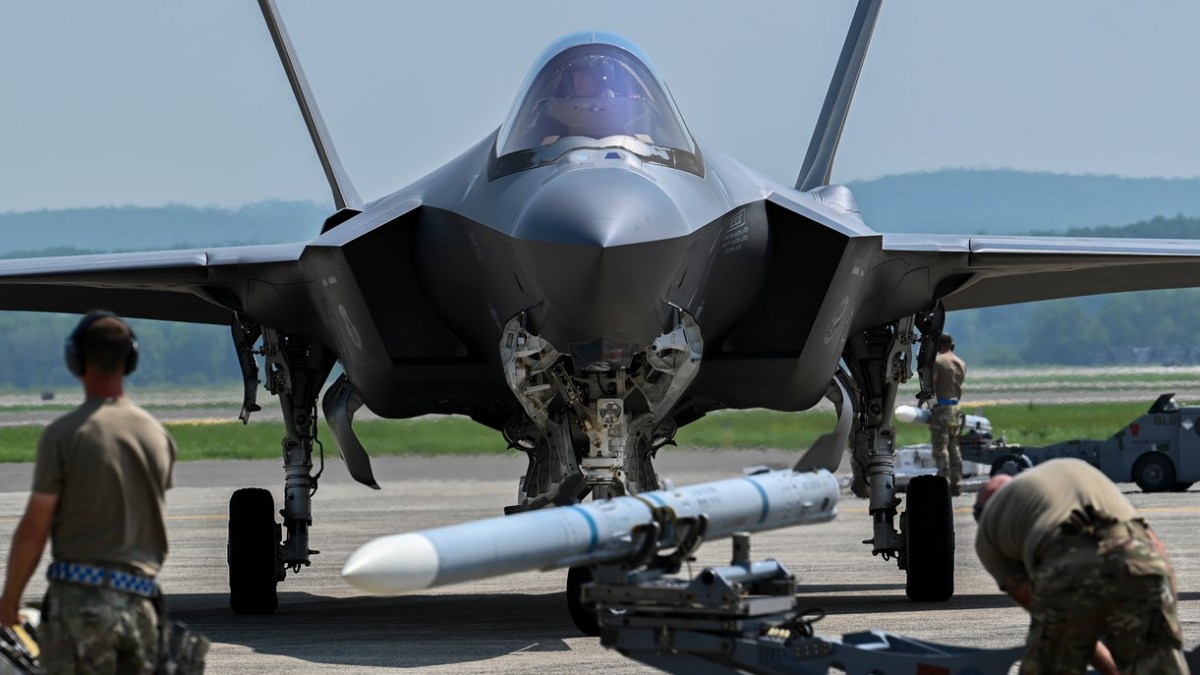
The Air Force is cracking down on smart glasses, banning them in its latest uniform regulation because of concerns over operational security. But the other services are letting commanders use their own discretion, or even using Meta AI glasses for on-the-job experiments.
In the Air Force’s Jan. 9 uniform regulation update, the service specified that “smart glasses with photo, video or artificial intelligence capabilities” are prohibited while in uniform. An Air Force spokesperson told Task & Purpose that the change was for “operational security purposes.”
Dana Thayer, information protection chief for the 104th Fighter Wing, said the policy is important as wearable technology like smart watches and cell phones becomes more prolific and the military decides how it fits into daily life on a base, especially those with more sensitive equipment or operations.
“Some of our younger military people that want to embrace it and wear it and use it in day-to-day life is great, but it doesn’t really have a good place on a military installation, at least such as ours,” Thayer said. “Apple watches, camera phones, and stuff like that — we’re always battling where can you use them, where should you not, that sort of thing, so this is just more of an evolving technology that we need to get ahead of.”
Service members are banned from bringing electronic devices, like wearables, into classified spaces. Task & Purpose queried the other services to specifically ask about smart glasses and found that their regulations broadly address personal electronics and allow more room for local leaders to make decisions.
Top Stories This Week
In a written piece, Thayer specifically called out the risks for troops wearing Meta Al glasses because of the devices’ ability to record, collect data and store that information.
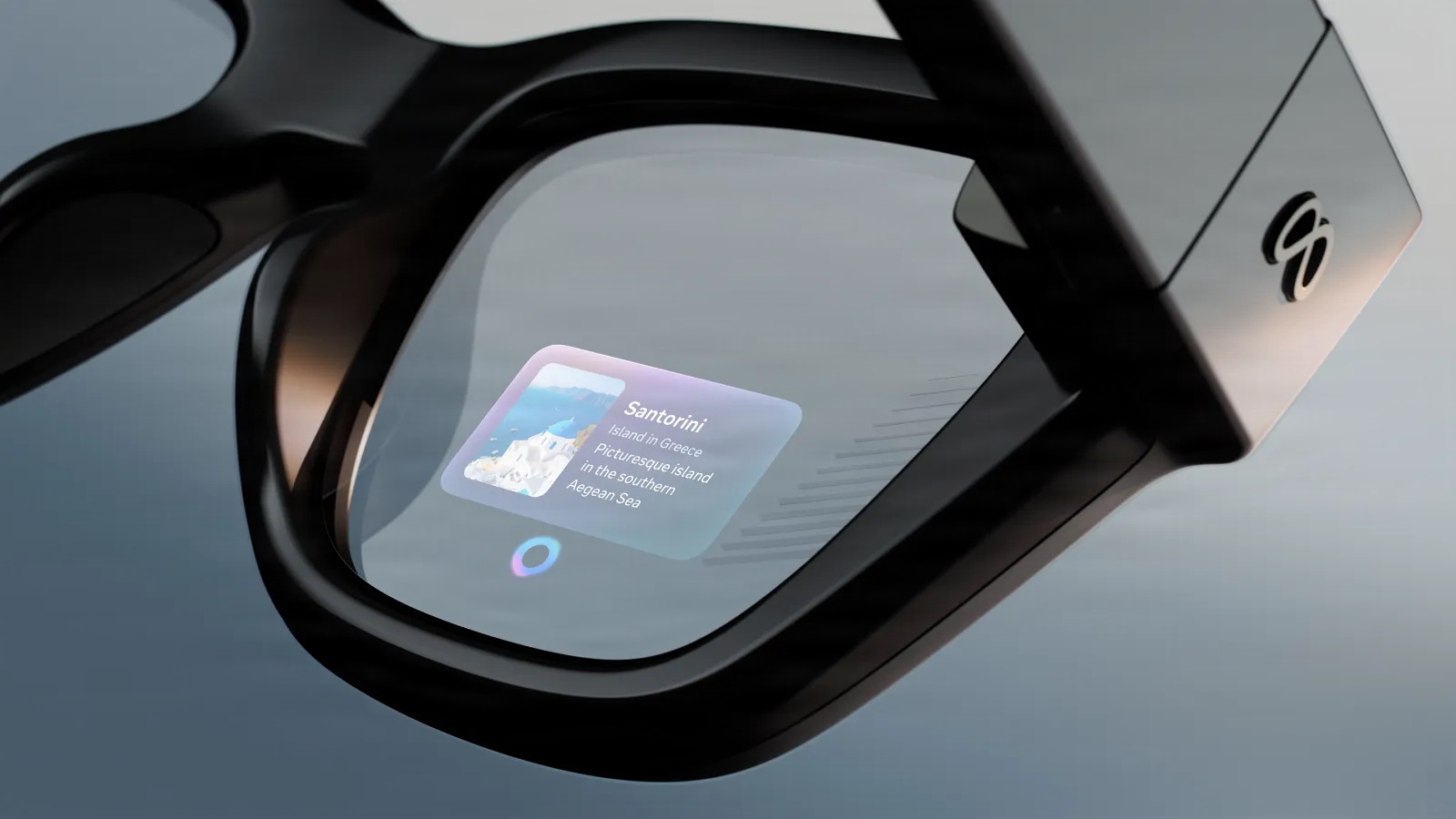
In July 2024, Meta announced that its Ray-Ban Meta glasses will enable AI features by default, automatically allowing them to analyze photos and videos taken with the glasses and store voice recordings. Customers have to manually delete any recording or image. The company notes that the glasses “activate when they detect the wake word,” like “Hey Meta.”
“It’s just like when you set up your phone and it’s either ‘Hey Siri’ or ‘Hey Alexa’ — it’s only supposed to listen to that word, but we know that it’s listening to more, so it’s just being cognizant of ‘you don’t know when it’s recording or when it’s compromised,’” Thayer said. “You just never know until it’s too late.”
There is no uniform wearables tech policy across the services, with each branch of the military working out its own rules for the technology. The Army is experimenting with Meta’s glasses for Infantry Squad Vehicle repairs to see “whether AI systems trained on real maintenance tasks can eventually provide reliable, step-by-step assistance comparable to a human expert,” Maj. Pete Nguyen, an Army spokesperson, told Task & Purpose.
The service is looking to see if, by recording 1,000 hours of maintenance work through Meta glasses, “we can train an AI system that any of you could pick up the glasses” and walk through repairs for Army vehicles, Secretary Dan Driscoll told soldiers at a town hall in January.
“That could be really helpful,” Driscoll said. “We’re not actually even sure it’s going to work, but we should know really soon.”
The Combined Arms Support Command also previously brought Meta’s technical team into the Ordnance Training Facility at Fort Lee, Virginia. During a 2025 tour of the facility, Meta personnel wore the Aria smart glasses and recorded maintenance work and the workspace layout with environmental conditions like lighting, noise and tool use, Nguyen said.
Meta did not respond to Task & Purpose’s request for comment.
Leaving it up to commanders
Neither the Navy nor the Marine Corps has outright banned troops from wearing smart glasses, but they have other applicable regulations.
The Navy’s uniform regulations govern communication devices and prohibit Bluetooth technology, headsets or hands-free devices in uniform “unless specifically authorized for the execution of official duties,” like sailors working in security or Naval Special Warfare Command positions.
“Whenever there is a concern for operational security, the authorized use of communication devices shall be at the commanding officer’s discretion,” according to the Navy regulation.
The Marine Corps’ personal electronics policy includes “any device capable of storing, recording, or transmitting data” and grants commanders the ability to regulate their use “to ensure operational security and maintain good order and discipline.”
The Army does not have a ban on smart glasses as long as soldiers comply with uniform regulations and personal electronic device guidance, which local units and commanders can “adjust as needed,” Army spokesperson Col. Martin Meiners told Task & Purpose. For example, the policy from the Anniston Army Depot, Alabama, states that taking videos and photos, storing media and recording audio “as a wireless modem” is prohibited.
Opsec concerns
Service members are already prohibited from bringing cell phones and smart devices into classified spaces on military installations. But Thayer said for certain bases, policies should consider smart devices as part of the larger opsec calculus. He works at Barnes Air National Guard Base in Westfield, Massachusetts, which handles northeastern U.S. air defense and supplies operational combat forces via the 104th Fighter Wing.
“We’re a fighter base,” he said. “There’s a lot of vulnerabilities for what we do and we just don’t want to have technology kind of get in the way of that.”
Thayer said the security risks on a military base are applicable to an array of jobs and go beyond those in specific classified work, such as if the glasses are worn by base security troops checking IDs or medical personnel handling private health records.
“Now whoever’s server that’s going to is now receiving that data, right? What are they doing with it on the back end?” he said. “There’s some of the stuff with how we handle personally identifiable information or some of our controlled unclassified information so stuff that’s not necessarily classified but still isn’t really meant for public release.”

Task & Purpose Video
link